

The Evolution of Graphic Design
agosto 8, 2025Graphic Designin the 80s, 90s, and2000s
Graphic design has evolved through cultural movements, technological innovation, and bold creative leaders. The graphic design pioneers of the 80s, 90s, and 2000s fundamentally transformed how visual messages are communicated.
Each decade introduced new aesthetics, challenged traditional rules, and redefined typography, layout, and digital expression. This article explores three artists whose work shaped modern graphic design and continues to influence creative industries today.
Why These Eras Mattered in Graphic Design
The 1980s, 1990s, and 2000s represent three defining moments in graphic design history. The 80s embraced experimentation and expressive typography, the 90s rejected structure in favor of emotion and chaos, and the 2000s merged conceptual thinking with digital tools. Together, these decades laid the foundation for contemporary design practices.

Neville Brody The Typographic
Visionary of the 1980s
Revolutionizing
Typography and
Editorial Design
Neville Brody emerged as one of the most influential figures of the 1980s graphic design movement. His work for The Face magazine challenged traditional typographic rules, introducing bold letterforms, unconventional spacing, and a strong visual attitude.
Brody treated typography as a form of visual expression rather than a neutral communication tool.
Lasting Impact on Modern Design
Brody’s experimental approach reshaped editorial design and influenced generations of designers. His work demonstrated that typography could carry emotion, identity, and cultural meaning, a principle that remains central to branding and digital design today.

David Carson
The Grunge Revolution of the 1990s
Breaking
All Design Rules
David Carson defined graphic design in the 1990s by rejecting clarity and structure in favor of emotion and instinct. His layouts for Ray Gun magazine featured distorted typography, fragmented compositions, and unconventional readability. Carson’s work reflected the cultural energy of the decade and challenged the belief that design must always be orderly.
Postmodern Influence and Digital Transition
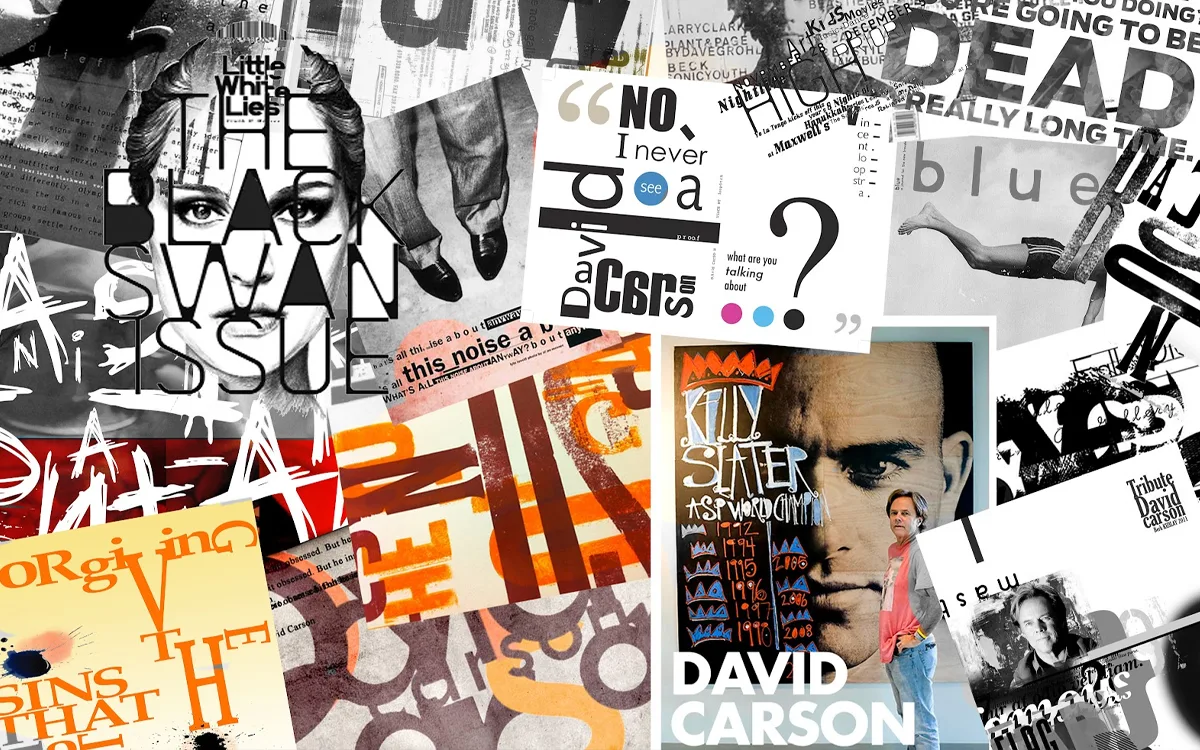
Carson’s experimental style became synonymous with grunge typography and postmodern design. His influence extended into early digital design, where designers began prioritizing expression, storytelling, and visual impact over rigid conventions.
Stefan Sagmeister
Conceptual
Designin the 2000s
Design as an Emotional Experience
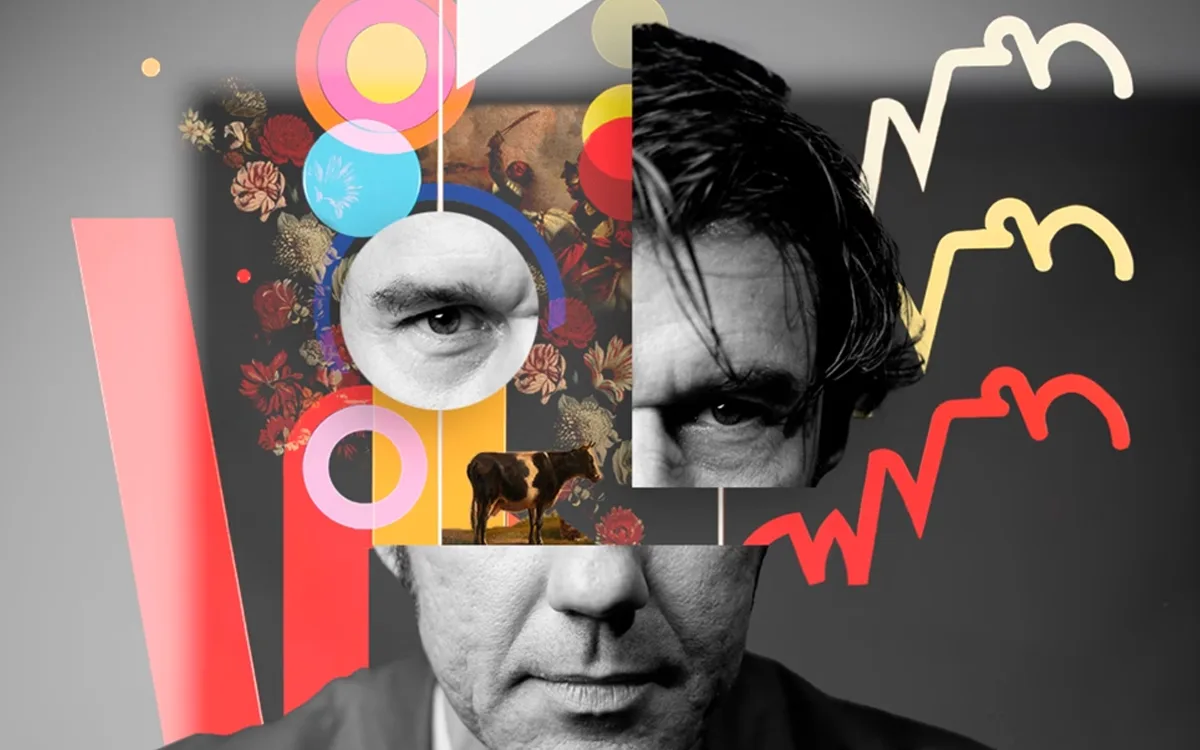
In the 2000s, Stefan Sagmeister introduced a deeply conceptual and personal approach to graphic design. His work combined typography, photography, installation, and digital media to create emotionally engaging visual experiences. Sagmeister demonstrated that design could communicate ideas, provoke thought, and inspire reflection.
Influence on
Branding and
Multimedia
Sagmeister’s work helped redefine branding in the digital era, emphasizing authenticity, storytelling, and human connection. His influence is evident in modern brand experiences, interactive design, and content-driven marketing strategies.
How These Designers
Continue to Influence
Graphic Design Today
The legacy of Neville Brody, David Carson, and Stefan Sagmeister is deeply embedded in contemporary graphic design. From experimental typography and expressive layouts to conceptual branding and digital storytelling, their ideas continue to shape how designers communicate visually in a rapidly evolving digital landscape
Final Thoughts
At AXM Technologies, we understand the importance of design history in shaping modern visual strategies. By applying the principles established by these graphic design pioneers, we help brands create meaningful, impactful, and future-ready visual identities. Explore our creative services to see how design can elevate your brand.
Ir a The Evolution of Graphic DesignEstimated reading time: 4 minutes